ITB’s West Hall and East Hall Proposed as National Cultural Heritage Sites
By M. Naufal Hafizh, S.S.
Editor M. Naufal Hafizh, S.S.

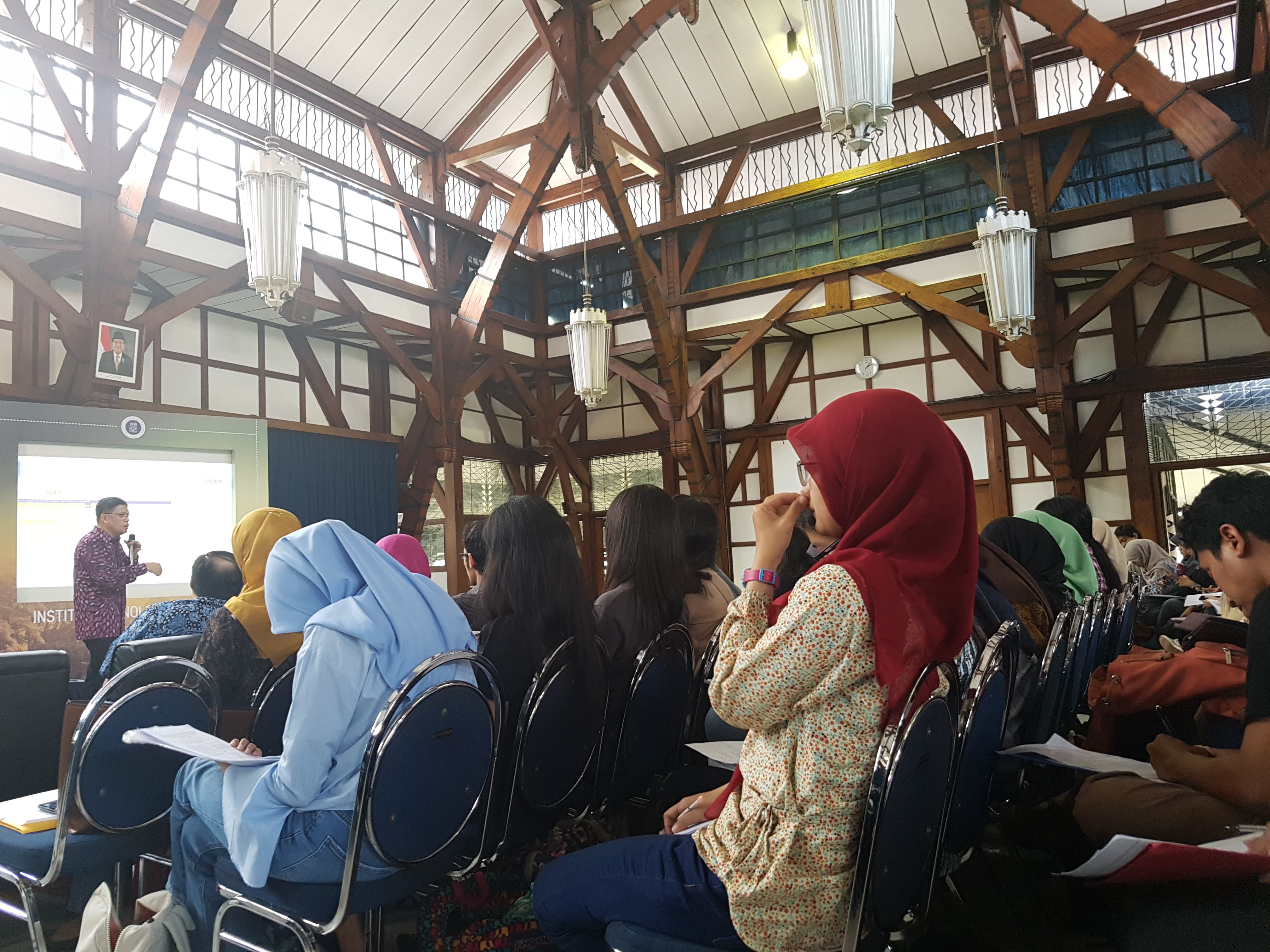
BANDUNG, itb.ac.id – The National Cultural Heritage Expert Team, together with relevant institutions, conducted an excursion to ITB’s West Hall (Aula Barat) and East Hall (Aula Timur) on Wednesday (September 24, 2025). The visit relates to the ongoing process of proposing both buildings as National Cultural Heritage Sites.
Previously, these two iconic buildings—originally part of the founding era of Technische Hoogeschool te Bandoeng (the forerunner of ITB)—had already been designated as Cultural Heritage Sites at the city level (Bandung) and provincial level (West Java). The current proposal to elevate their status nationally aims to reinforce their recognition as architectural and historical landmarks significant to higher education in Indonesia.
This step marks an important milestone for ITB and the people of West Java in preserving West Hall and East Hall as enduring symbols of history, education, and culture for the nation.
.jpg)
Several factors support prioritizing West Hall and East Hall as National Cultural Heritage Sites:
-
Historical value: part of the first technical campus during the Dutch East Indies period;
-
Architectural value: a fusion of European modern design and local traditions, cross-ventilation systems, climate-adaptive roof designs, and distinctive local aesthetics;
-
Continuous function: both halls remain actively used for academic activities, seminars, conferences, and institutional events;
-
Cultural and identity value for Bandung and Indonesia: serving as campus landmarks and part of the city’s cultural heritage.
The West and East Halls of ITB are masterpieces by Henry Maclaine Pont, a prominent architect in Bandung who combined modern Western construction techniques with local materials and cultural values.

Pont deeply researched traditional Indonesian architecture, paying close attention to climate, materials, building methods, and socio-cultural contexts. This sensitivity allowed him to create structures that were unique, functional, and deeply rooted in local identity—qualities clearly reflected in West Hall and East Hall.
As part of the earliest facilities of Technische Hoogeschool (THS), the West and East Halls were the first lecture buildings constructed. Maclaine Pont designed the buildings in Utrecht, the Netherlands, in 1918, with construction completed within a year. His east meets west design synthesized modern Western (Dutch) architecture with indigenous traditions of the Dutch East Indies (local Nusantara), creating a hybrid style (Chandra et al., 2018).
.jpg)
Pont’s overall campus plan aligned buildings along a north-south axis oriented toward Mount Tangkuban Parahu. West Hall and East Hall were positioned symmetrically on either side of the main entrance. Designed as flexible lecture spaces, their architectural style became known as Indo-European (Indo-Europeesche) or Tropical Indisch.
Pont’s success in harmonizing Eastern and Western traditions is evident throughout the buildings’ exteriors and interiors. The most striking exterior feature is the roof, reminiscent of traditional Batak and Minangkabau houses in Sumatra, covered with wooden shingles. Some also compare it to the Sundanese Capit Gunting roof form. Yet on closer inspection, the design does not merely imitate but creates a distinctive, original form. The outer walls are constructed from river stones and bricks, with ventilation holes at both the lower and upper sections to allow airflow and keep interiors cool. Surrounding the buildings is an open corridor supported by large river-stone columns, functioning as connectors between structures and transitional spaces that shield interiors from direct sunlight.
.jpg)
.png)
.jpg)
.jpg)
.jpg)