MJD, the Lightning-Fast Dryer: PT Rekacipta Inovasi ITB’s Breakthrough for Longer-Lasting Harvests and Bigger Business Opportunities
By Merryta Kusumawati - Mahasiswa Teknik Geodesi dan Geomatika, 2025
Editor M. Naufal Hafizh, S.S.

BANDUNG, itb.ac.id – PT Rekacipta Inovasi ITB has unveiled the Mesin Jemur Dehydrator (MJD), an advanced crop-drying machine that delivers high efficiency and consistent quality. Designed to overcome unpredictable weather, this innovation supports food security while boosting the competitiveness of Indonesia’s agricultural and fisheries products. With an electric heating system that stays steady up to 70 °C and evenly distributes heat, MJD dries a wide range of commodities in just a few hours while preserving nutrients and cleanliness.
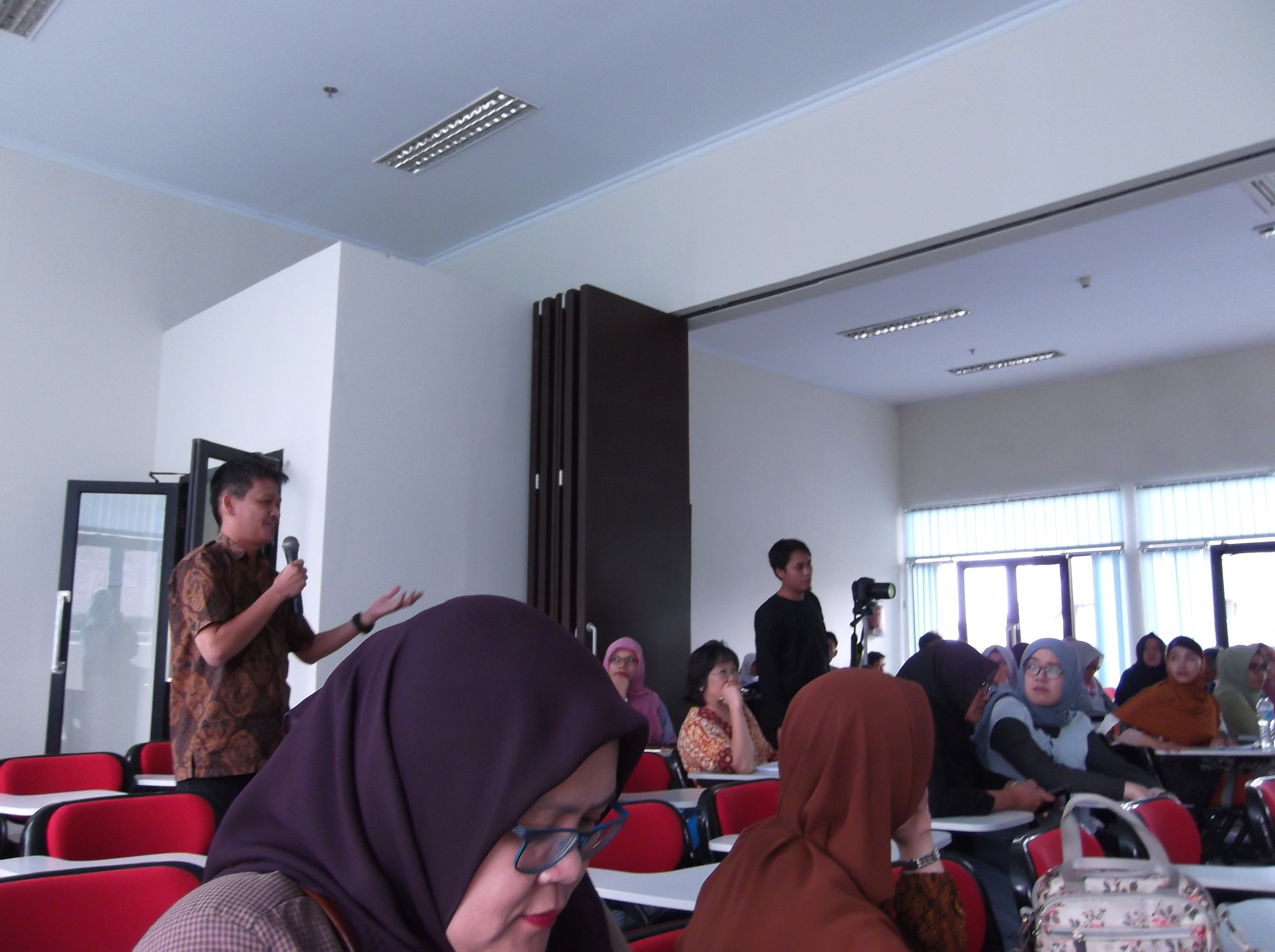
Mr. Andri, producer and representative of PT Rekacipta Inovasi ITB, explained that the machine was created to meet the post-harvest needs of farmers and small businesses. “Traditional sun-drying is often hampered by weather and contamination, resulting in inconsistent quality. With MJD, drying takes place in a closed, hygienic system, producing clean and uniform results,� he said. He added that the unit is already in use from Aceh to Lombok, helping farmers and small enterprises extend product shelf life, reduce waste, and tap into new markets.
Dehydration Technology: Fast, Clean, and Versatile

The MJD is built for a wide variety of uses, from fruit and vegetables to spices and seafood. Each rack is equipped with an individual heater to ensure controlled, even temperatures. A process that once required four days can now be completed in roughly 24 hours without sacrificing flavor or color. Its fully enclosed system protects against dust, pests, and weather, guaranteeing top-tier hygiene for market-ready products.
Mr. Andri emphasized that MJD’s strengths go beyond speed. “The machine is energy-efficient and requires no additional fuel, making it environmentally friendly,� he noted. Initially developed to dry hospital medical equipment, the dehydration principle has proved equally effective for food from sterilizing endoscopes to drying thin slices of apple.
Cutting Waste and Stabilizing Prices
Beyond accelerating post-harvest processing, MJD helps manage food waste. Perishable goods nearing spoilage such as chili peppers can be dried immediately, stored, and sold later when prices recover. “This approach helps stabilize market prices while reducing organic waste,� Andri said. The method supports a circular economy, extending the shelf life of raw ingredients and adding value for farmers and small producers. The dried products can be further processed into powders, tea blends, or ready-to-use cooking ingredients, opening opportunities for export.
ITB Research Collaboration for a Greener Industry
As a research-driven company majority-owned by the Institut Teknologi Bandung (ITB), PT Rekacipta Inovasi ITB places sustainability at the heart of its innovations. The launch of MJD showcases how university research can be translated into eco-friendly industrial technology with broad impact.
The company continues to build partnerships with government ministries and SME agencies while opening doors for collaboration with small enterprises. “We hope for government incentives so small businesses can access this technology more easily,� Andri said. With wider adoption, the MJD is expected to drive local economic growth and stand as a model of successful campus-to-industry innovation.
Marketing Strategy and Customer Advocacy
For promotion, PT Rekacipta Inovasi ITB relies on a mix of strategic partnerships and organic outreach. The company actively works with government bodies and SME development agencies while leveraging satisfied customers to recommend the product within their networks. “Many users find this machine more energy-efficient than imported alternatives, so they freely recommend it to their communities,� Andri explained.
This user-driven strategy has proven effective in reaching markets from Aceh to Kalimantan and Lombok, reinforcing the MJD’s reputation as a reliable, sustainable drying solution.
Closing his remarks, Andri expressed hope that ongoing support from government and industry stakeholders will ensure wider access, particularly for small businesses. “The more entrepreneurs who can use this machine, the greater the added value for local economies,� he said. With the right blend of university research, technological innovation, and policy support, the Mesin Jemur Dehydrator is poised to become a driving force for a greener, more efficient, and highly competitive food industry in Indonesia.
Reporter: Merryta Kusumawati (Geodesy and Geomatics Engineering, 2025)
.png)
.jpg)
.jpg)
.jpg)
.jpg)